Pat Tomberlain: A Life Rooted in East Texas History
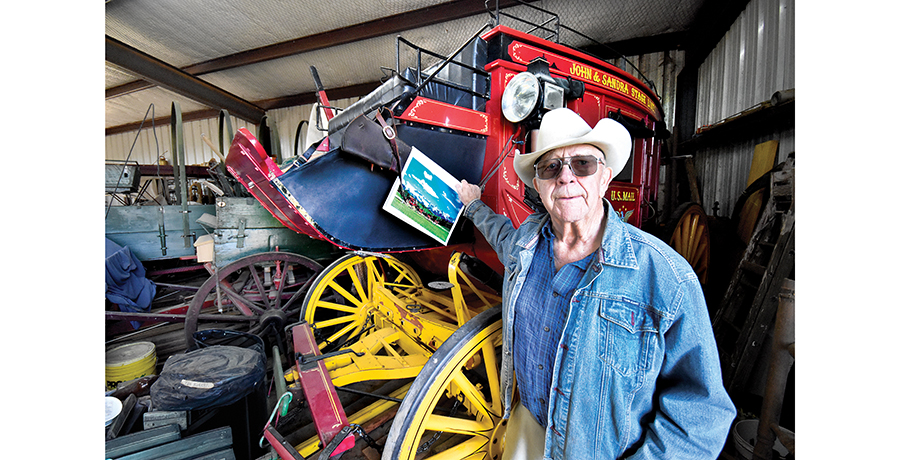
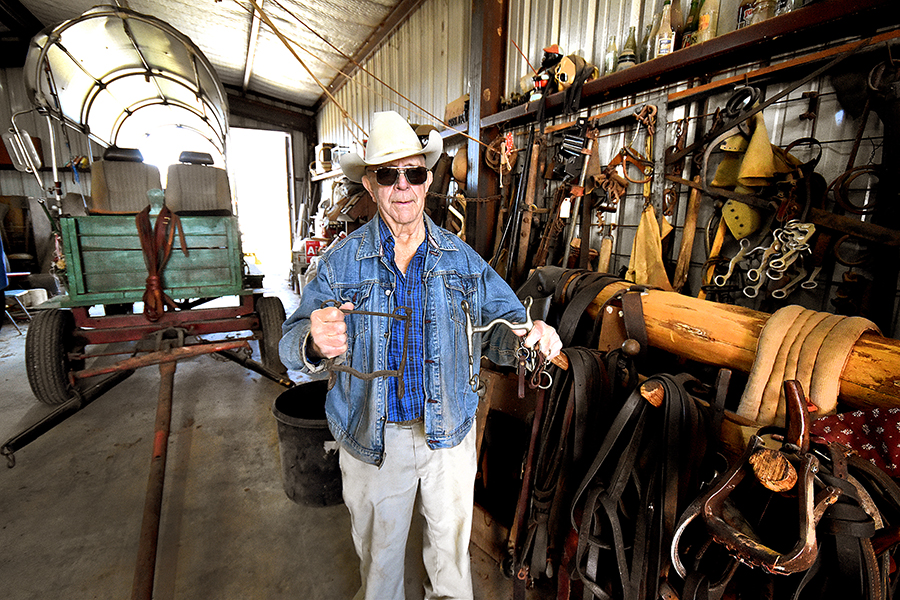
Above Photo: A teacher, Pat Tomberlain insists that history matters, not as nostalgia, but as instruction.
From The East Texas Journal
Compiled by Sam Ferguson
Pat Tomberlain has spent most of his life teaching other people’s history, but the older he gets, the more he understands that his own story is inseparable from the place where he lives. In Northeast Texas—where land stays in families, cemeteries sit just off county roads, and names repeat themselves across generations—history is not abstract. It is inherited.
For Tomberlain, that inheritance stretches from German immigrants fleeing European upheaval to cotton fields worked during the Great Depression, from Confederate cavalry mustered at a vanished crossroads to a modern classroom in Atlanta, Texas, where he taught world history for thirty years. His life bridges eras that most people encounter only in textbooks.
“I just stayed,” Tomberlain says simply, explaining why he never left Atlanta despite opportunities elsewhere. “I’ve been here a long time.”
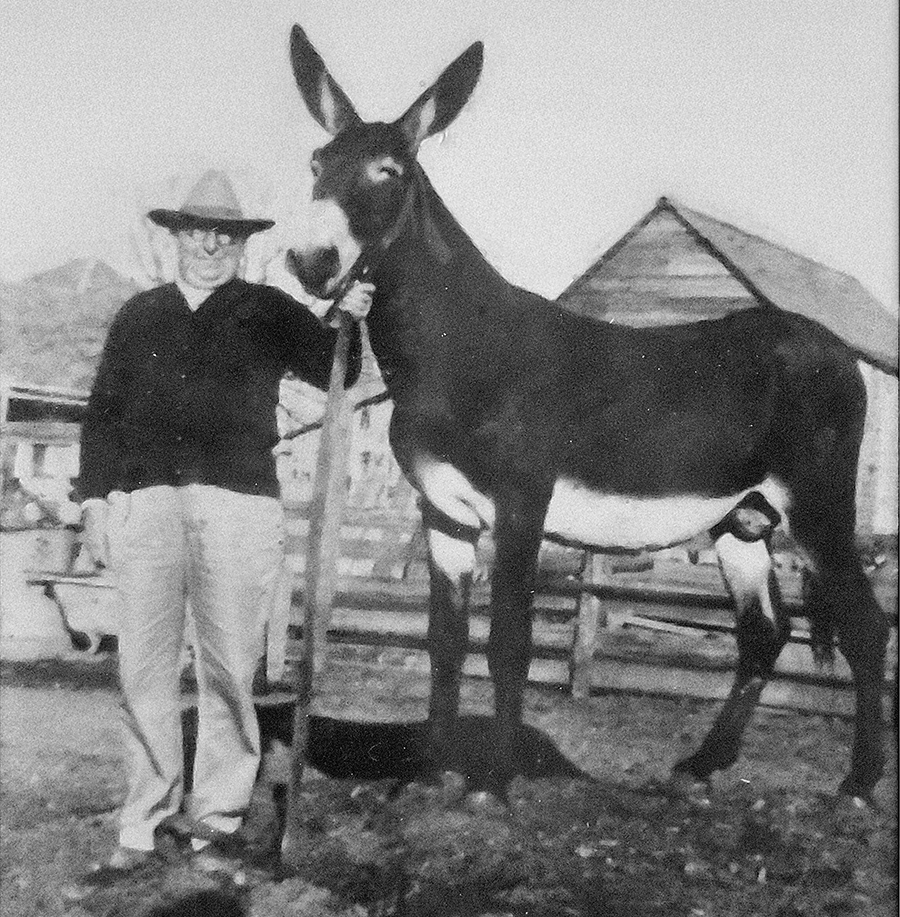
Growing Up With History Close at Hand
Tomberlain grew up surrounded by stories. They were not told formally or in order, but in fragments—on front porches, during cattle work, and while driving back roads past places whose names meant something to his family long before they meant anything to outsiders.
His mother, Rose Evalyn Vissering Tomberlain, came from a family whose history was already deep in East Texas soil. The Visserings had arrived in America from Ostfriesland, Germany, in the late nineteenth century, escaping political repression and rigid class systems imposed by Prussia. Like many German immigrants, they first settled in the Midwest before pushing south toward land, opportunity, and independence.
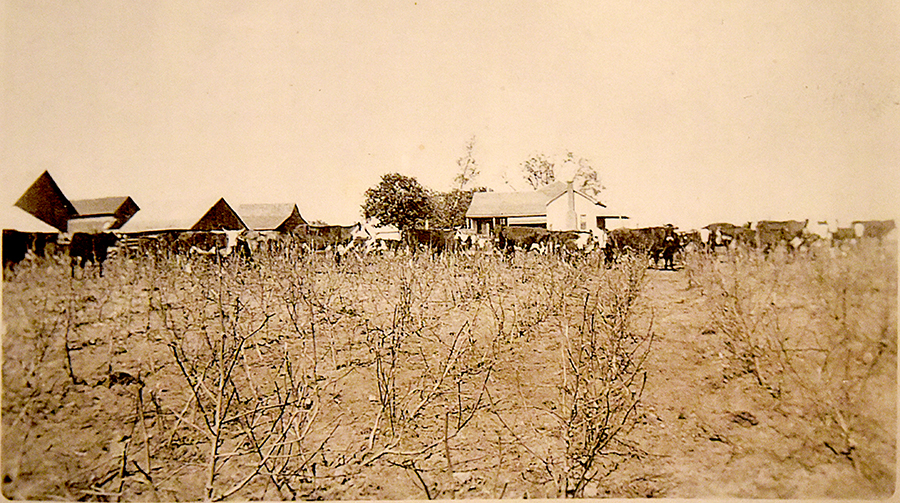
By the early twentieth century, the Vissering family had established a substantial farm and ranch operation in Morris County near Naples. It was there—without electricity or running water—that Tomberlain’s grandparents built a life based on cotton, cattle, mules, and sheer endurance.
Every acre mattered. Every season counted.
“My grandmother and great-grandmother,” Tomberlain recalls, “they brought it from cotton planting to cotton picking.” Cotton paid the bills—when it could—but survival depended on far more than one crop.
The Weight of the Great Depression
The Great Depression was not a chapter in a book in Tomberlain’s family. It was lived.
In 1933, when Tomberlain’s father could not come up with $6.38 in cash for Tomberlain’s mother’s Naples High School graduation ring (14 carat gold), there was still food on the table and clothes to wear—but money itself was scarce. Twenty-five percent of the country was unemployed. Those who worked were lucky to get twenty hours a week. Barter, credit, and trust replaced cash.
Tenant farming defined much of rural East Texas during those years, and the Vissering operation was no exception. Papa Vissering furnished land, mules, seed, and fertilizer. Tenant families provided labor and shared the crop. It was a system ripe for abuse elsewhere, but family accounts emphasize fairness. Debts were not used to trap people. Respect flowed both ways.
That ethic left an impression on Tomberlain. He absorbed lessons about responsibility, self-reliance, and obligation—not from sermons, but from example.
From Wheatville to the Wider World
The land itself carried older stories. Near the Vissering place lay the remnants of Wheatville, once a vital crossroads on the road between Jefferson and Clarksville. Before railroads shifted commerce, Jefferson was second only to Galveston as a Texas port city, connected by steamboat traffic to New Orleans.
In July 1861, men gathered at Wheatville to organize what became the Titus Rangers—the first Confederate cavalry company raised in Titus County. They believed the war would be short. Many never came home.
Family connections tied the Tomberlains and Visserings directly to those events. Senator Morris Sheppard’s family, Samuel Morris’s vast landholdings, and intermarriages among early settlers created a web of kinship that shaped the region politically and economically.
For Tomberlain, these were not distant facts. The cemetery was still there. The roads were still visible if you knew where to look.
Texas A&M and the Pull of Tradition
Like many young East Texas men of his generation, Tomberlain’s path led to Texas A&M University. He did not choose A&M for convenience or career advancement. He chose it for tradition.
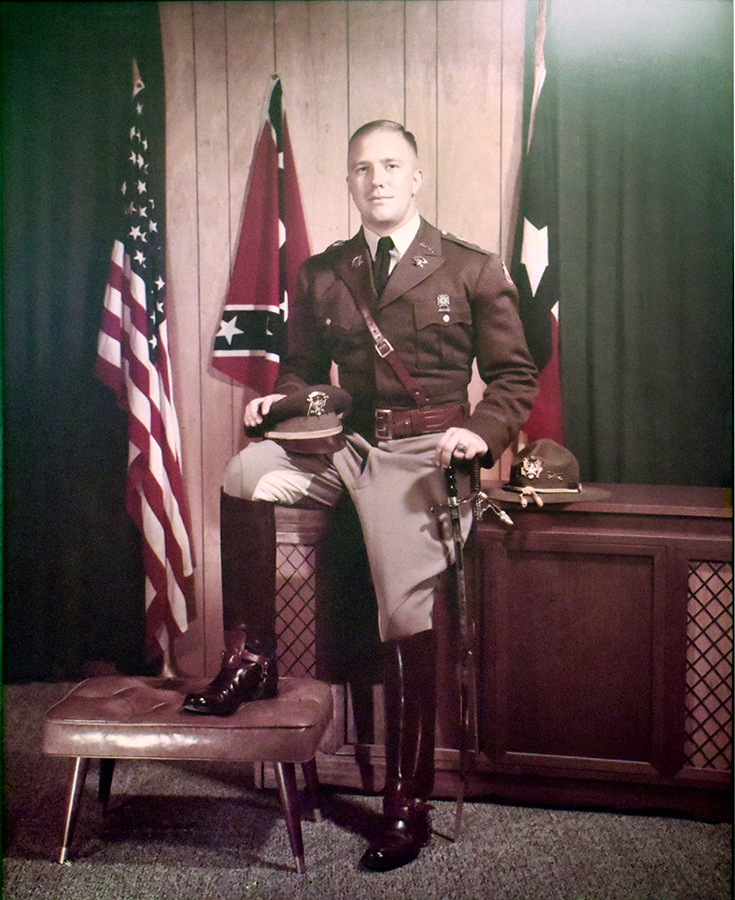
“It was the senior boots,” he says, laughing. “That’s a crazy reason to pick a college, but when I saw them, I wanted a pair.”
In the mid-1960s, every male student at A&M belonged to the Corps of Cadets. The experience was rigid, demanding, and formative. Tomberlain studied world history, a discipline that resonated deeply with his upbringing. European conflicts, revolutions, and empires mirrored the forces that had shaped his own family’s migration.
The Corps instilled discipline, hierarchy, and a sense of continuity—qualities Tomberlain would later bring into the classroom.
Military Service Without Combat
Commissioned through ROTC, Tomberlain entered the U.S. Army during the Vietnam era. His service took him to Fort Sill, and Fort Benning, where he trained in artillery and infantry. His academic background set him apart: four years of Russian and Czech Languages qualified him for military intelligence, a demanding specialty that required precision and discretion.
I had finished at A&M in January of 1968 and reported to Ft Benning Georgia in May. After finishing the Infantry Officer Basic Course, I went to Ft Holabird, Maryland and completed the Combat Intelligence Staff Officer Course and was about to ship out to Republic of Vietnam when the North Koreans captured the USS Pueblo.
At this point, there was a greater need for more officers at the North Asia Branch of the Headquarters of the Military Intelligence Security Division of the U. S. Army Pacific. This is where I spent 19 months stationed at Ft Shafter, Hawaii.
After I left active duty, I still had years of Reserve Duty to perform. I was fortunate to get command of the 458th Army Reserve Unit in Texarkana and later the 755th, at which time I was promoted to Captain. I finished my commitment in 1976.
The military reinforced lessons he already knew: preparation matters, history matters, and decisions ripple far beyond the moment they are made.
A Classroom in Atlanta, Texas
In 1971, Tomberlain began teaching world history in Atlanta, a job that would define the next thirty years of his life. He had opportunities to leave. School administrators in nearby Mount Pleasant tried to recruit him. He declined.
“My dad ,Marvin Tomberlain , taught Vocational Ag in Atlanta in the ’30s and ’40s, and bought lots of food for the Atlanta Canning Plant during WWII from local farmers and truck gardeners,” he says. “Those students were on the school board that hired me.”
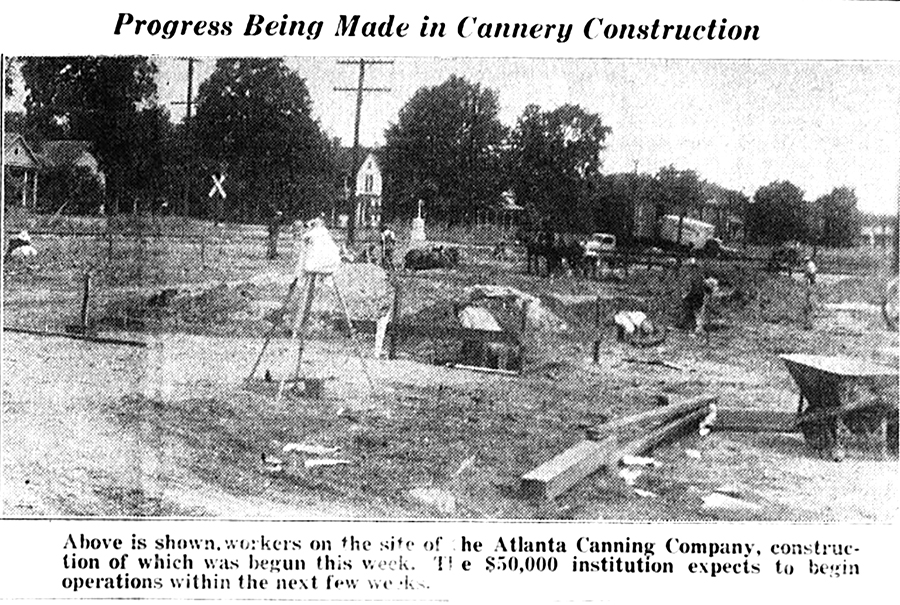
So he stayed.
For three decades, Tomberlain taught generations of Atlanta students—many of whom were more interested in cars, sports, or the clock than in European wars or ancient civilizations. He understood that. He had been seventeen once himself.
Years later, former students began stopping him in grocery stores, restaurants, and parking lots.
“Mr. Tomberlain, we remember you,” they would say. “You were the best history teacher.”
Tomberlain smiles at the irony. “I wish they’d told me that when they were playing with their car keys in the back of the room.”
Teaching History as Lived Experience
What set Tomberlain apart as a teacher was not theatrics or trendiness. It was authenticity.
When he taught the Great Depression, he talked about cotton settling accounts at the general store. When he taught European politics, he talked about Ostfriesland and Prussia. When he taught war, he talked about family members who never came home.
History, in his classroom, had consequences.
Students learned—often years later—that the past was not dead. It shaped land ownership, local politics, and even the roads they drove every day.
A Life That Came Full Circle
Today, much of the Vissering land remains in family hands. Cattle still graze where cotton once grew. Family cemeteries remain just off the road, quiet markers of continuity.
Tomberlain is proud of that fact. He is equally proud of his years in the classroom, where he extended his family’s legacy beyond property lines.
He sees himself not as a historian, but as a carrier of memories.
“I worry about what gets forgotten,” he says.
In a region where history is often assumed rather than examined, Pat Tomberlain spent a lifetime insisting that it matters—not as nostalgia, but as instruction.
His story, like East Texas itself, is not flashy. It is durable. Rooted. And still very much alive.