Wells-Lamont glove factory made metro news in 1951
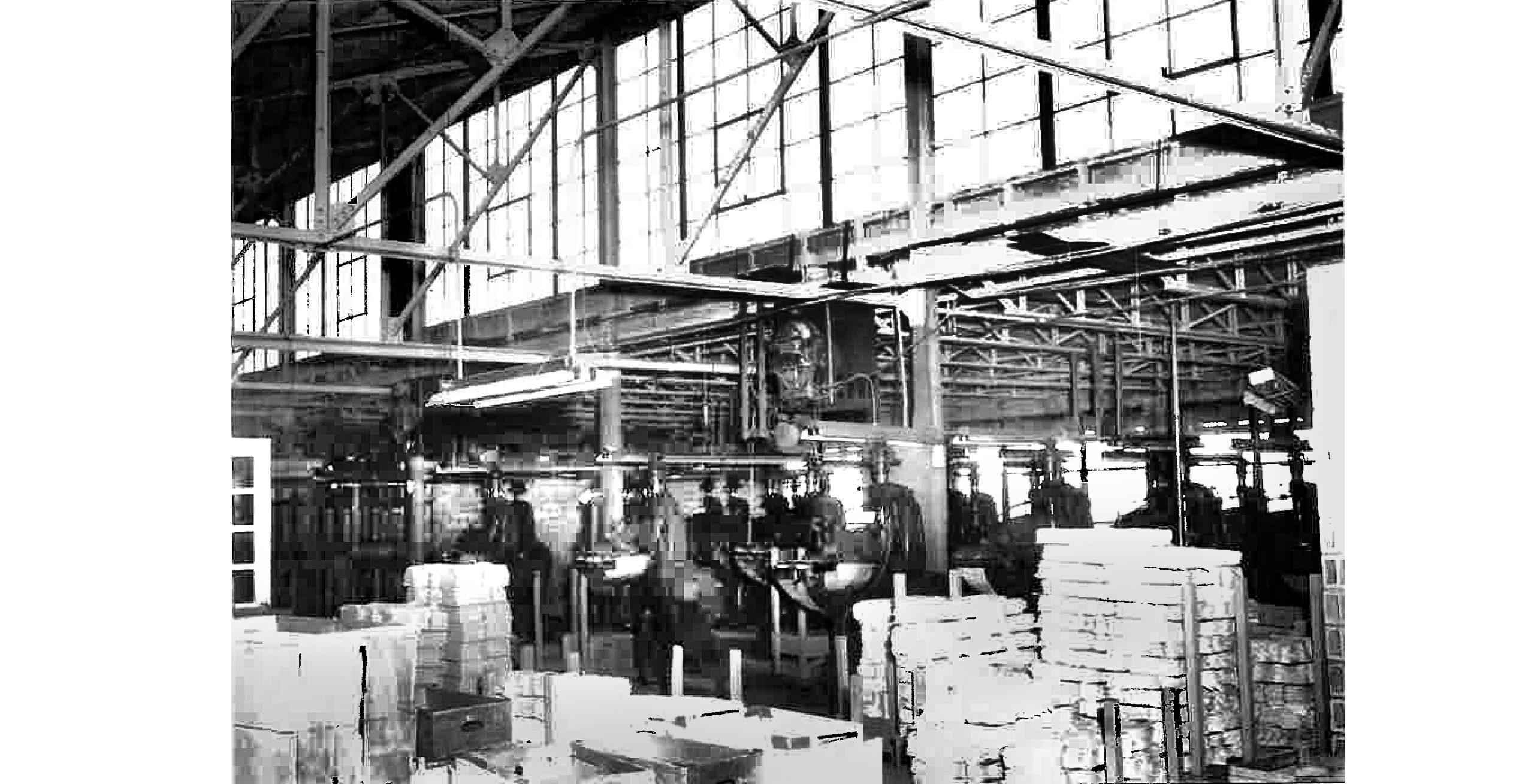
MT. VERNON, TEXAS-The construction of an industrial building so big it would stretch “from Lowry’s building to the variety store and from the front of the bank to Bob’s Barber Shop” made March 9, 1951 front page news in the Optic Herald.
Frank Hicks had been named local construction superintendent for the $135,000 building to be paid for by contributions following a year in which Mt. Vernon competed with two other Texas communities for the Wells-Lamont glove factory.
“The company wants applications from some 600 women between the ages of 18 and 35 to indicate an adequate labor supply before it makes the final decision on where the new factory will be located,” reported the December 1, 1950 Optic Herald, the paper whose front page each week touted Mt. Vernon’s location on “the Broadway of America.”
Built as an 800-mile El Paso to Texarkana segment of the first paved and marked transcontinental highway, in May of 1951 the highway from Fort Worth brought a charter bus of businessmen here as part of a four-day chamber of commerce tour of a dozen towns.
“Businessmen Impressed by Mt. Vernon Enterprise,” read the Fort Worth Star Telegram headline after Mt. Vernon stole the limelight on a tour including visits to Greenville, Mt. Pleasant, Longview and Shreveport with a Tyler stop on the way home.
From here to there, the East Texas ag economy built on cotton had been changing for 30 years by then, and the change was picking up speed. In Mt. Vernon, the civic response was a non-profit industrial foundation funded by private contribution betting on American manufacturing as the future.
“Earlier, the group stopped at Greenville where the trend in Hunt County is shifting away from cotton,” the Star Telegram May 23, 1951 morning edition reported. “Last year beef accounted for a third of the county’s ag income, County Agent Ed McKay said. “This year it will be half.”
In Mt. Vernon, the town offered Wells-Lamont a free facility – no payments, no rent, no taxes.
“The factory here, which will be the largest of its kind in the world, will guarantee an average annual payroll of $125,000 over a ten-year period in return for a free ten-year lease,” the paper reported.
In January, foundation officials told thee Optic Herald another $40,000 was needed. In February, the Optic reasoned that bad weather had slowed the rate of contributions.
Of 19 businesses listed in the January 12, 1951 edition, First National Bank is the last remaining of the factory contributors.
“Local Wells-Lamont Glove Factory to Halt Operations,” reported the January 30, 1958 newspaper.
Concerning its payroll obligations, at the close of business on the last day of 1957, “the plant had exceeded payroll of $1.7 million, or $400,000 more than was stipulated for the 10-year contract,” the paper said.
Company President D.J. Wells told the industrial foundation directors that “the large turnover in personnel was the primary reason for closing the plant.”