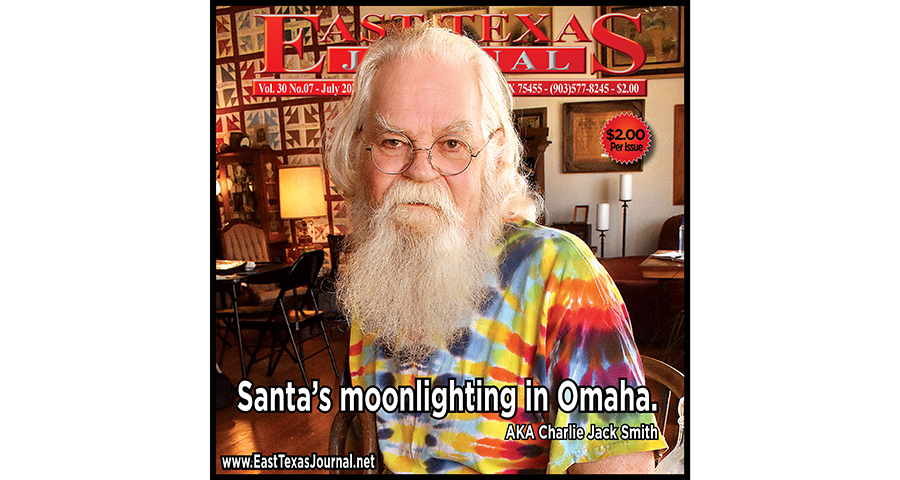
Charlie Jack and the Omaha Museum Preserve East Texas History
Charlie Jack Keeps Omaha’s History Alive at the Museum
From the East Texas Journal, July 2022
By Hudson Old
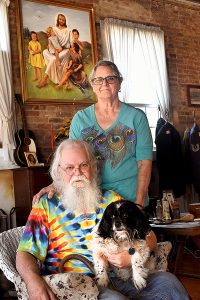
OMAHA, TEXAS — When two strangers walked into the Omaha Museum, Charlie Jack immediately knew they were connected to one of the town’s most influential families.
The men had returned to Omaha to fulfill a relative’s final wish. They had brought her ashes home to be buried among family members. Charlie Jack learned she was a Farrier, part of a family whose name still echoes through the town’s history.
“They said she died three years ago,” Charlie Jack recalled.
One relative had traveled from Seattle and the other from Oklahoma. Neither appeared to be immediate family, but Charlie Jack quickly began sharing stories and details they likely had never heard.
That is what happens at the Omaha Museum.
For a few hours each Thursday, Charlie Jack, his wife, and Brenda Smith open the doors of the former city hall and welcome visitors into Omaha’s past. The museum is filled with artifacts, photographs, ledgers, newspapers, and memories that tell the story of a town that once thrived on peaches, railroads, cotton, and community spirit.
Charlie Jack has been known by that name since high school.
“Somebody started calling me Charlie Jack, and it stuck,” he said.
Back in the 1970s, he spent plenty of time in a pool hall that stood across from the old city hall. Today, that same building serves as a museum dedicated to preserving local history.
The Farrier Family and the Peach Empire
The Farrier family played a central role in Omaha’s development during the late nineteenth and early twentieth centuries.
A century-old edition of The Omaha Breeze displayed in the museum helps tell their story. Among its most interesting features is a list of telephone subscribers from 1918, published before printed phone books became common.
Grady Farrier’s telephone number was simply “1.”
The number reflected the family’s importance.
The Farriers operated businesses, owned property, ran a bank, and helped shape the local economy. There was a Dr. Farrier who practiced medicine in town. The Farrier Brothers Store sold merchandise and fabrics shipped from New York. Farrier and May Motors operated near the downtown business district.
“Farrier and May Motors was across the street,” Charlie Jack said, “next to the pool hall.”
The family was also known for its vast peach orchards.
According to longtime resident Tommy G. Heard, the orchards stretched from town nearly to White Oak Creek.
“Four miles,” Heard said when asked how far they reached.
Jerry Williams, now in his nineties, remembers working in those orchards during a record harvest.
“The summer of ’42 we made a bumper crop,” Williams said.
His use of the word “we” says much about life in Omaha during that era. The peach industry involved nearly everyone. Families picked fruit, packed peaches, loaded railroad cars, and helped bring the harvest to market.
“We shipped more peaches than anywhere that summer,” Williams recalled.
Workers carried peaches to a large packing shed near the railroad. There, crews sorted and wrapped the fruit for shipment across the country.
“My mother worked wrapping the number one’s in newspaper,” Charlie Jack said.
An ice tower stood nearby to cool refrigerator cars before they left town. During harvest season, the operation created jobs for hundreds of people.
The Newspaper That Recorded a Town’s Life
The museum preserves more than business records and photographs. It also protects the history of The Omaha Breeze, the newspaper founded by W.C. Williams in 1889.
Jerry Williams is the founder’s great-grandson.
He remembers a time when newspapers were printed by hand using molten lead and hot type. Family members and employees worked long hours to produce each issue.
“You started out folding papers,” Williams said. “Everybody folded papers on press day.”
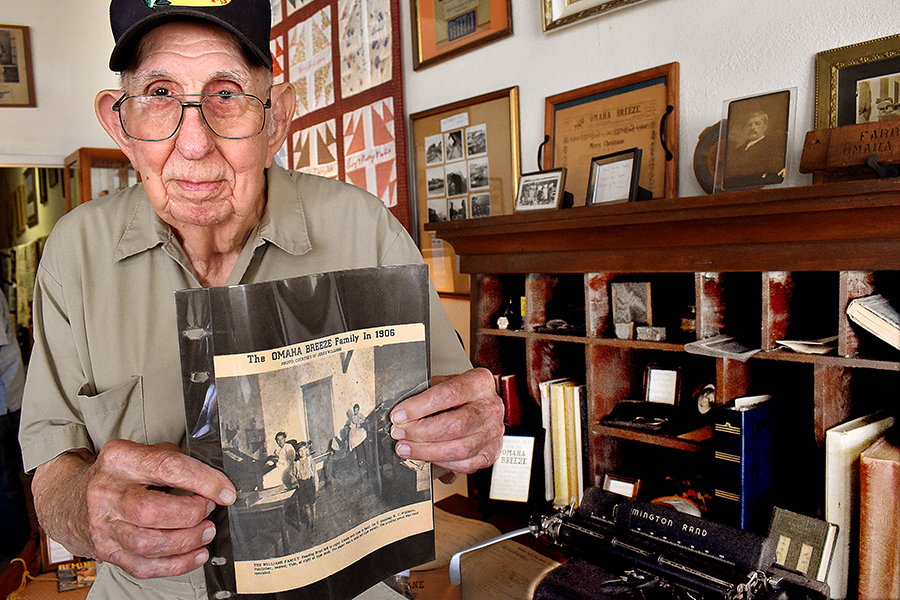
A yearly subscription cost one dollar.
Sometimes, however, money was not required.
“Or he’d take a live possum in trade,” Williams said.
That statement led to one of the museum’s favorite stories.
In rural East Texas, barter remained common for decades. People paid bills with livestock, produce, labor, and occasionally wild game.
“A possum that’s going to be eaten has to be taken alive,” Williams explained.
The animals were placed in a pen outside the newspaper office.
Charlie Jack knows the next step.
“You need to feed it table scraps for about a week to purge it,” he said.
The story often makes visitors smile, but it also reflects the realities of small-town life when cash was scarce and resourcefulness mattered.
Saving the Museum
The building that houses the museum almost disappeared.
Charlie Jack’s mother, Lura, was one of two women who persuaded city leaders to preserve the old city hall rather than allow it to deteriorate.
“It was just going to fall down,” Marilyn Smith recalled.
The restoration began after Smith read about a prison work program in Bowie County. Inmates volunteered to help restore public buildings and community facilities.
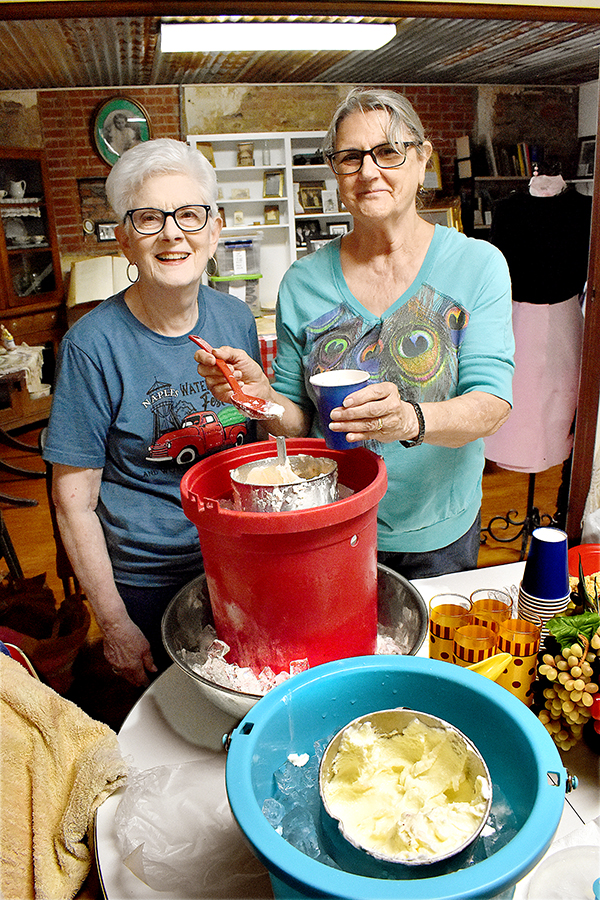
The prisoners repaired the roof and refinished the floors. Marilyn baked cakes for them while they worked.
The longer the project lasted, the more cake they enjoyed.
There was no rush.
The floors still shine today.
One exhibit that attracted particular attention during the restoration was the museum’s original jail cell.
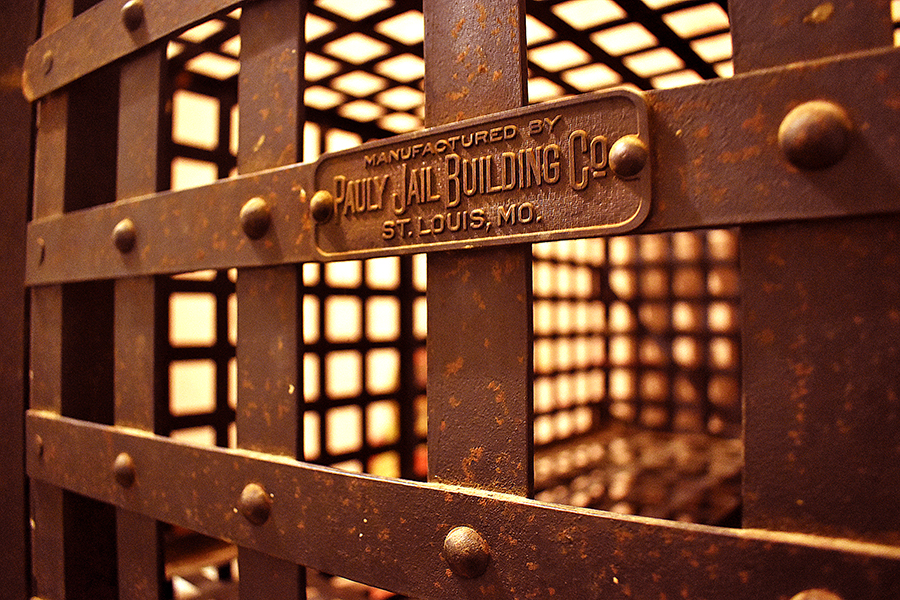
Ironically, the prisoners who helped restore the building wanted nothing to do with it.
“They didn’t like the old jail,” Charlie Jack said.
The steel cell sits in a back room of the museum. Manufactured by the Pauly Jail Building Company of St. Louis, it dates to a time when small towns handled law enforcement much differently than they do today.
According to local stories, Omaha occasionally rolled the portable jail into public view on busy Saturdays as a warning to drunks and troublemakers.
Passing boys sometimes tossed objects through the steel mesh walls.
The cell remains one of the museum’s most unusual artifacts.
Trade Day and Community Life
Long before shopping centers and online retailers, Trade Day brought people from across the countryside into Omaha.
Farmers arrived with cotton, livestock, and produce. Merchants opened early and stayed late.
“We’d come early and stay all day,” Tommy Heard remembered. “Everything stayed open ’til ten on Saturday night.”
Children played in the streets while adults visited stores and conducted business.
Advertisements preserved in The Omaha Breeze encouraged shoppers to bring cotton, buy merchandise, and spend the day in town.
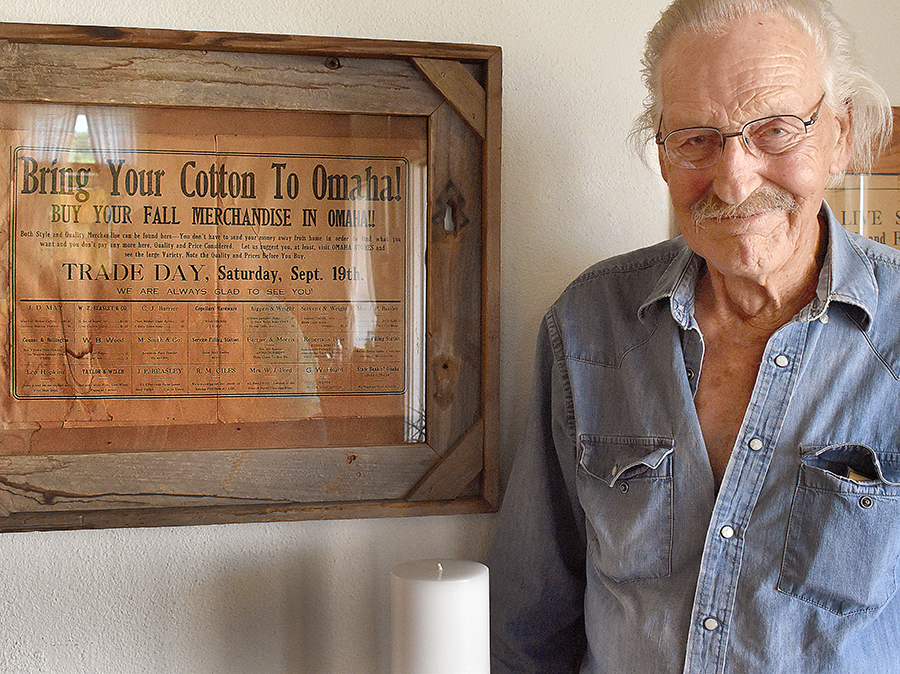
The museum also preserves memories of local businesses and merchants who helped build Omaha’s economy.
The Heard family operated stores in Omaha and Naples. Tommy Heard remembers a time when men were not allowed on the second floor of certain stores because women’s clothing was displayed there.
“Menswear was downstairs,” he said.
The customs seem unusual today, but they reflect the social norms of another era.
The Highway That Changed Everything
Among the museum’s most valuable records is a massive ledger from Farrier State Bank.
The book contains loan records, collateral agreements, and the names of farmers and business owners who helped build the local economy.
Nearby are newspaper accounts describing one of the most important developments in Omaha’s history: the arrival of the Bankhead Highway.
In the early twentieth century, local leaders recognized that a national highway could transform the region.
The Bankhead Highway became one of America’s first coast-to-coast automobile routes. It connected communities from Washington, D.C., to San Diego and helped usher in the automobile age.
Omaha businessmen fought hard to keep the route passing through town.
The Farriers, the Heards, and other community leaders joined regional efforts to secure the highway’s location.
According to The Omaha Breeze, local officials urged county leaders to improve roads quickly and prepare for the opportunities the highway would bring.
One newspaper advertisement declared that the road would mean “more than a trunk-line railroad to Omaha.”
History proved them right.
Improved transportation connected farmers to markets, encouraged commerce, and helped shape the future of Northeast Texas.
Preserving Omaha’s Story
The museum also celebrates one of Omaha’s most famous sons, Major League Baseball player Randy Moore.
A life-size cutout honors the hometown athlete who played for the Boston Braves, Chicago White Sox, St. Louis Cardinals, and Brooklyn Dodgers.
Tommy Heard remembers hearing stories about Moore bringing baseball legend Casey Stengel to East Texas for hunting trips.
“Big Randy would come over and buy a couple of hundred quail from my wife’s uncle when he brought Casey Stengel home with him to hunt.”
Other exhibits include stock certificates from the Omaha Cotton Oil Company, records from local businesses, and artifacts connected to the Omaha Broom Manufacturing Company, which once provided jobs for blind workers.
New items continue to arrive.
Recently, Charlie Jack said, a woman walked into the museum carrying a donation.
“She brought a check for $500 and said she wanted to support the museum, like a church.”
The comparison seems appropriate.
For many residents, the Omaha Museum serves as a place where memories are preserved, stories are shared, and history remains alive.
Every Thursday, Charlie Jack and a small group of volunteers continue their work. They sort photographs, preserve newspapers, catalog artifacts, and welcome visitors.
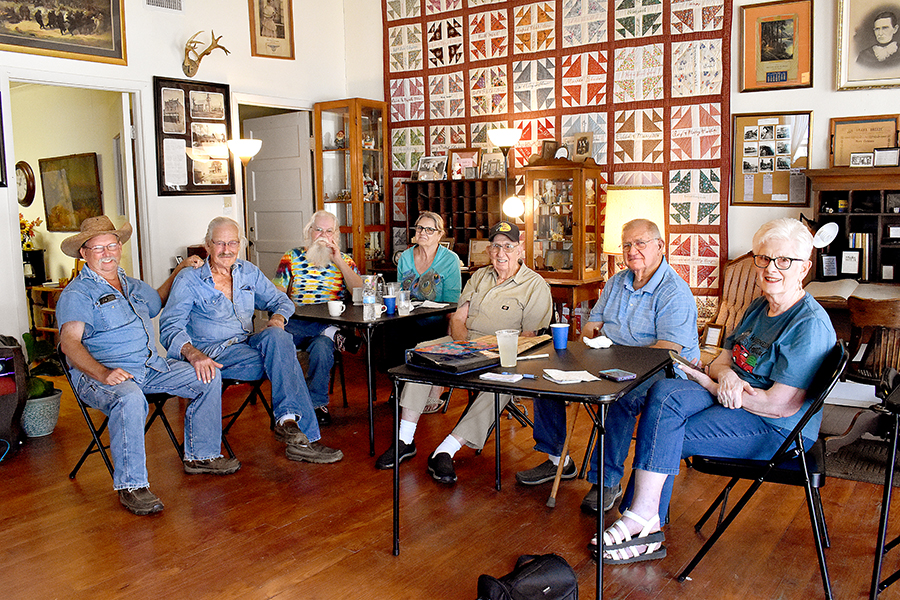
Their mission is simple.
They want future generations to understand the people who built Omaha.
From the Farrier family and the peach orchards to the Bankhead Highway and Randy Moore, the stories survive because someone cared enough to save them.
The Omaha Museum is more than a collection of old objects.
It is the memory of a town.
More of Omaha’s Story