War-Time plant that ‘changed the world’ idled at Lone Star Steel
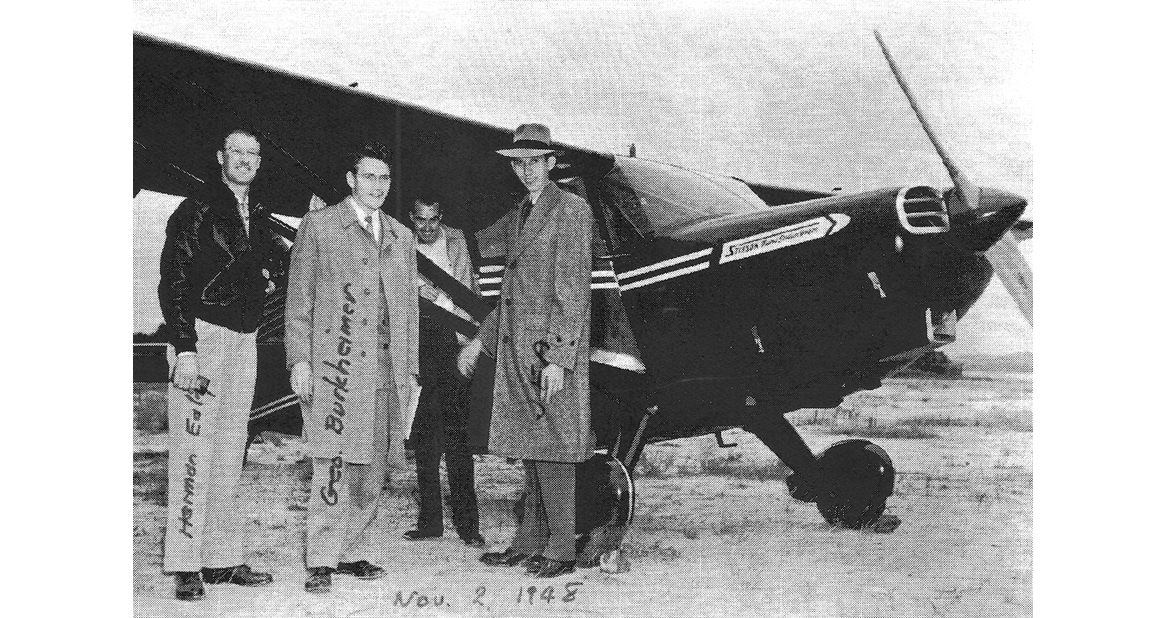
Above photo shows an airship built to accommodate researchers and military personnel flying into secret test facilities was built at Lone Star Steel.
From the East Texas Journal, April 2016
By Hudson Old, Journal Publisher
For the first time since operations at Lone Star Steel began in of 1948, no product rolls out the gates and there’s no production scheduled for the foreseeable future. The idled facility is presently owned by Pittsburgh, Pennsylvania-based U.S. Steel.
Time was, it changed the world as seen through the lens of Fred McKenzie’s book, Avinger, Texas, USA.
“Former sawmill blocksetters, edgermen, slab buckers, log haulers and mule skinners, plus ex-cotton farmers, gin operators, pea pickers and mooshiners were being interviewed for heavy industry jobs, work of the kind most had never seen,” wrote Mr. McKenzie, who worked in the steel mill’s employment office. “I remember making the point about working conditions to a little dried up pine knot of a prospect.”
“I ain’t scairt of ’nary a man,” he cut me off, clearly not understanding what I wanted to ask, but typical of the nature of the first wave of workers through the gates.
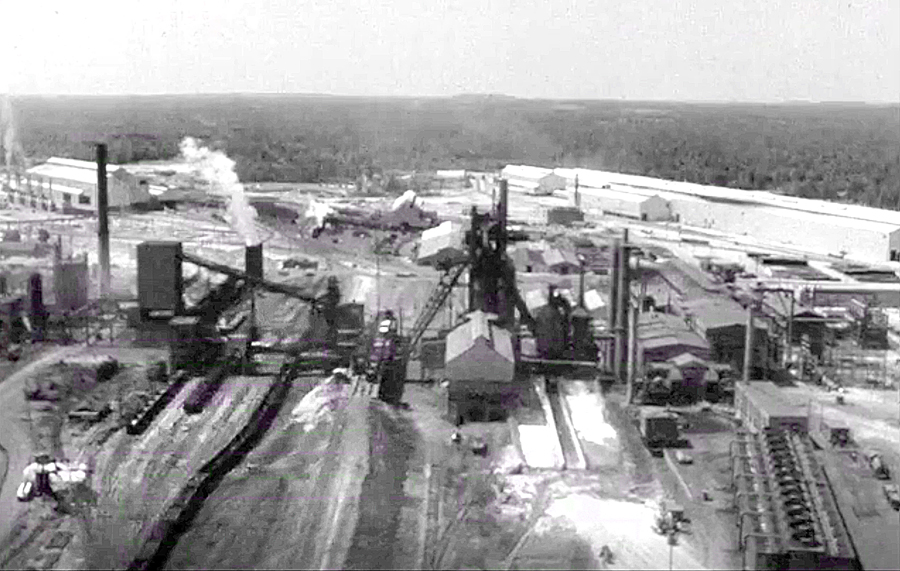
For a century before Washington and a strong Texas delegation poured millions of war-time dollars into steel production here, pioneering industrialists along the broad ridge of iron-ore upthrust rising from the Cypress River valley made pig iron and cannon balls for the Confederacy. With Fannin County’s Sam Rayburn being speaker of the House and Cass County populist Wright Patman as a seasoned Congressman, sometime shortly after the fall of 1945, the mill was sold “for a dime on the dollar” to a new Dallas-based Lone Star Steel Company.
From the outset, local word was that the best way to get on was through connections.
And they hired women.
Congressman Patman’s sister, Kate Watkins, was rumored to have been the gatekeeper in personnel.
“The way it really was, Miss Kate did have a desk in the foyer of the personnel office and did control to some extent who saw the personnel director, but when I started in 1950 as Employment Manager, I confess I was a bit surprised to find she’d be working for me,” Mr. McKenzie said. “From all I’d heard, I’d expected the opposite.”
He channeled people to the old Texas Employment Commission offices in Mt. Pleasant for “aptitude tests.” By no more than virtue of his position, it seemed everybody knew who he was.
“I’d often come home from work to find my front yard full of people waiting to talk to me,” he said. “In the mornings they’d sometimes arrive before I was done shaving.”
Veterans, soldiers home from the war were the second wave of employees.
A generation later, the “best jobs in the country were still at Lone Star,” said Lance Hinson. A Mt. Pleasant attorney, Mr. Hinson was a 1984 high school grad a shade beyond coming straight off the farm when he got his chance to work at the plant.
“I worked the parts counter at the John Deere dealership and had gotten a raise to $3.35 an hour just before I gave up the tractor business,” he said. A shade over tripling his wages, he pocketed $10 an hour at Lone Star, breaking in as a welder under the watchful eyes of experienced men.
“There were something like five thousand of us,” he said, when pushed to guess. The old soldiers were starting to trickle into retirement, but “there were plenty of them around.”
In summer, a new set of “college boys” were beginning to filter in.
“Those guys had it made, walking around with clipboards,” Mr. Hinson said.
“It’s true,” affirmed Mark Bishop, a Camp County native whose father Glenn was an accountant at the plant when Mr. Bishop left for coursework at East Texas State. “At $11.20 an hour, in the summer of 1977 I made enough to cover everything down to fraternity dues for my next semester. Only job I ever had where I didn’t have to work and I was perfectly suited to it.”
Still, the “college boys” weren’t just fluff.
“They made it easy because they didn’t want to scare them off,” Mr. Hinson said. “The technology was changing, everything upgrading. They wanted them to get back to school, get their degree and come back.
“The old guys I worked under knew everything they needed about how to turn steel out of a blast furnace,” Mr. Hinson said. “The complexity of the mechanical works in the rolling mill were something else.”
Something other than the common event of “graphite showers” where Mr. Hinson worked in the vicinity of the open hearth furnace, old “Flossie Bell.”
Named for the wife of founding LSS President E.B. Germany, “whatever it was needed for, graphite was periodically poured into the works,” Mr. Hinson said, “and when they did, it popped like firecrackers. If you were out on the ground in the vicinity, that was the sign you either needed to take cover or get a ‘graphite shower,’” he said.
As early as the 1850’s, settlers stopped her recognizing the potential wealth that was released with the arrival of Lone Star a century later.
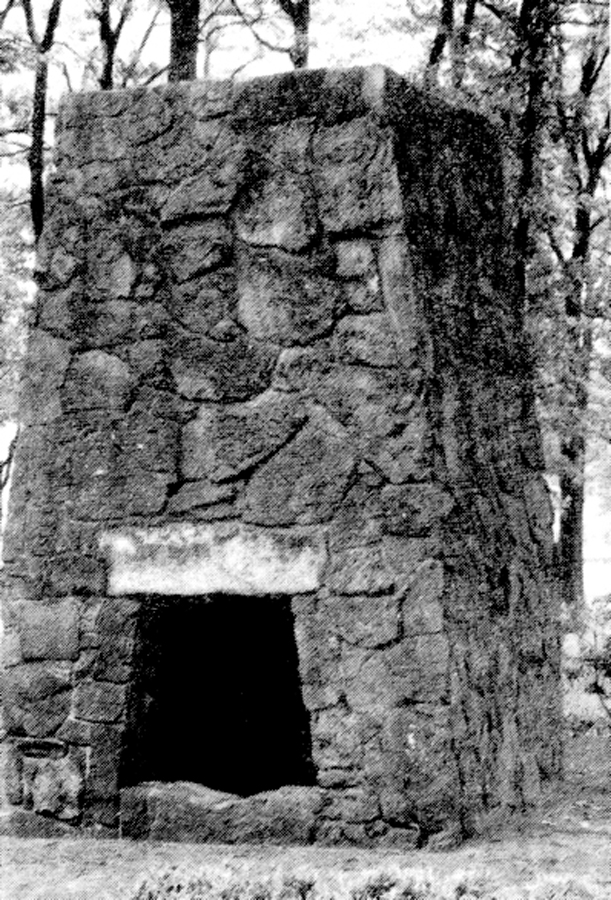
Hughes Springs namesake Reese Hughes built a smelter at Hughes Springs. In 1846 Jefferson Nash found plenty of timber to make charcoal used to fire his smelter noted at the historical marker between Lone Star and Jefferson on FM 729.
In 2016 security personnel continued manning the gates at the plant idled earlier that spring when 1,200 workers went home. Maintenance personnel remain on site, blowing on embers with the hope of again bringing to life a fire that Fred McKenzie remembered as changing the world.