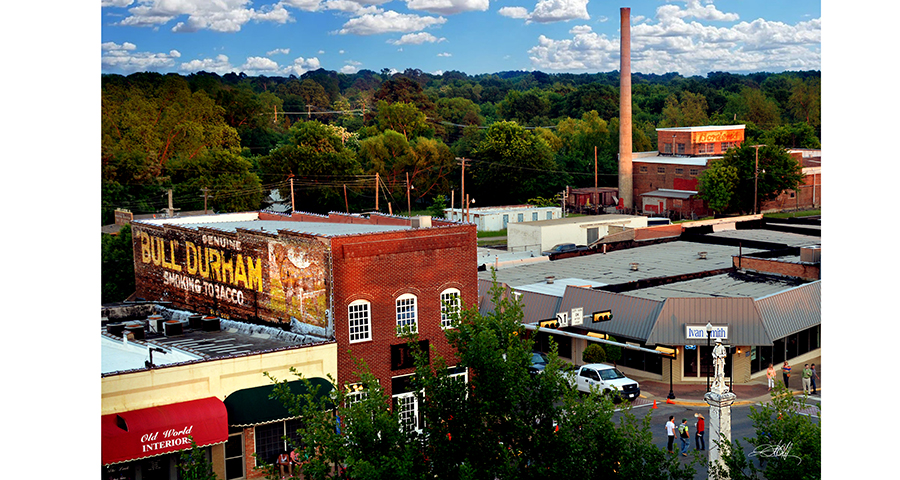
Texas Milk plant dominated city skyline when Mt. Pleasant, Texas launched plan to save family farms
From East Texas Journal, February 2016
By Hudson Old, Publisher
MT. PLEASANT, TEXAS — The town’s business community depended on the trade of farmers and farmers were steadily going belly up as cotton prices plunged.
In his University of Texas Master’s Thesis from the 50’s, Morris Blackard supports arguments showing the decline of traditional East Texas Family farms through the 1920’s and 30’s, largely because of a dramatic drop in the price of cotton.
Recognizing that the plight of farmers would become the plight of merchants, the town’s retailers bought “eight fine Jersey bulls” to be shipped here from Ohio, the town newspaper reported in February, 1929.
The bulls were to be placed in rural communities and rotated into established herds to breed up milk production.
Within months, citizens raised $60,300 to lure the Texas Milk Products Company here.
Speaking to the town’s Rotary club, D.B. Short, General Manager of Texas Milk, said that “within 10 months,” the company would be paying out “a million dollars a year” to local producers for milk, reported the July 2, 1929 Daily Times.
Meanwhile, the stock market crash of October, ’29 crippled the nation’s businesses.
The summers of 29 and 30 saw incredible droughts throughout Texas and the Southwest generally.
And the milk plant that was supposed to have been up and running within a year was halfway into construction. By the time Texas Milk went into production here in 1932, unprecedented local measures had already been taken to save farm families.
The Chamber of Commerce bought canning equipment to be used to store food from summer vegetable gardens for winter. Newspaper editorials encouraged farmers to take advantage of the opportunity, assuring men there was no shame in their declining economic status.
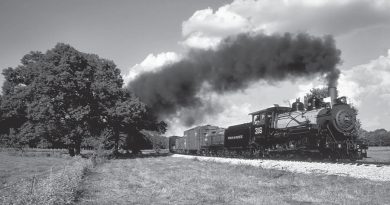
The fact that the railroad had built a spur line to serve the new milk plant gave people little more than hope, for there was still no ready market for milk.
By November of 1930, the Rotary club was issuing a call for the town’s civic organizations to band together and form a permanent charity to work in the county.
The chamber of commerce, American Legion, a number of churches and “five women’s clubs,” responded, said The Times.
In an inside page story, Governor Dan Moody said all things considered, things in Texas were “more normal than in other parts of the country,” and promised the state was about to expand its public works program, pumping new payroll into the economy.
But in the same edition, two pages of legal advertising announced the upcoming sheriff’s sale of property taken on debts, sales conducted by court order.
Boy Scouts were recruited to conduct a clothing drive through the community and two town dry cleaners volunteered to recondition and iron clothing before it was distributed.
There was a two-paragraph long list of volunteers from churches and civic organizations prepared to “answer calls for charity expected this winter.”
The town turned the corner slowly.
The milk plant opened in ’32. In 34, the first federal dollars from New Deal legislation began flowing.
Through the 30s, federally funded drainage, highway and school construction projects provided jobs here through the Works Progress Administration and the Civilian Conservation Corps.
In the years following World War II, the milk plant was acquired by Borden’s and Titus County dairy farming enjoyed a brief heyday.
Once the height of technology, the plant that opened with glazed red tile floors and cork-lined cooling vaults closed in the 60s.