Titus County prohibition history: The Wet and Dry Battles of the 1930s
Titus County prohibition history: Prohibition Politics in Titus County
In the late 1930s, the fight over alcohol in Mount Pleasant and across Titus County, Texas became one of the county’s most divisive political battles. Drinking, gambling, prostitution, and illegal whiskey production created sharp divisions between citizens who supported alcohol sales and those who demanded stricter morality laws.
A week before the wet-dry election of December 1937, voters across Titus County received a pamphlet titled “Useful Information.” The pamphlet attacked what it described as growing lawlessness and moral decline in the county.
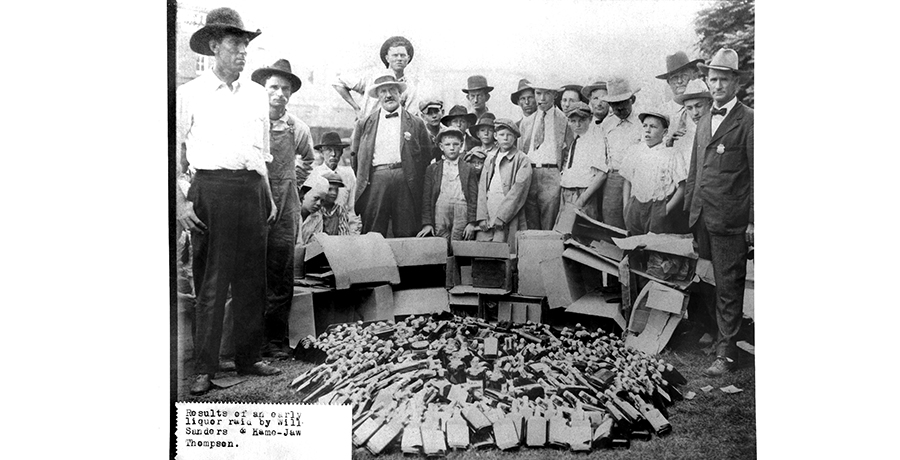
Only four years earlier, the federal government had repealed national prohibition. During prohibition, illegal whiskey production had become common throughout Titus County. Many local men became skilled moonshiners and took pride in their distilling abilities.
Even after repeal, the illegal whiskey trade continued to thrive. Untaxed liquor remained profitable, and moonshining stayed deeply rooted in the county’s culture. The issue divided residents into two camps — the “wets,” who supported legal alcohol sales, and the “drys,” who opposed them.
The anti-alcohol pamphlet warned voters about gambling, prostitution, and drug activity in the county’s back-road honky-tonks. It also criticized local authorities for ignoring illegal slot machines operating openly in businesses throughout Titus County.
“One month ago, there were 167 slot machines in Titus County,” the pamphlet claimed.
Temperance movements were active across the nation, but the issue became especially intense in Titus County. Supporters of prohibition argued that alcohol encouraged crime and moral decline.
The pamphlet stated that more than 1.3 million young women had entered saloons for employment after prohibition ended. It compared that figure to the number of women enrolled in colleges and universities. The publication also listed arrests for drunkenness in Winfield, Talco, and Mount Pleasant.
In Talco, the rapid growth of oil production brought a sudden increase in saloons and nightlife. After wildcatter Mike Langley struck oil in February 1936, the town expanded quickly. Local leaders responded by passing ordinances aimed at controlling public behavior and prostitution.
National prohibition began with the passage of the 18th Amendment in 1920. Alcohol sales became illegal across the United States, except for medicinal purposes. Doctors could still prescribe liquor, and pharmacies legally sold whiskey by the pint.
Local oral history suggests that residents in the northern Titus County community of Sugar Hill often protected moonshiners from outside authorities. During the 13 years of national prohibition, Titus County gained a reputation as an important rural distilling center in East Texas.

When voters approved beer sales in 1933, the Mt. Pleasant Daily Times noted that Titus County was surrounded by dry counties where beer sales remained illegal. Legal beer sales in Titus County officially began at midnight on September 14, 1933.
The next major wet-dry election took place in 1937.
According to the newspaper, both sides campaigned heavily throughout the county and distributed large amounts of literature. Despite the heated campaign, public discussion in town remained surprisingly quiet.
The election ended with headlines declaring: “County Goes Dry by 14 Votes!”
The result immediately sparked legal challenges. Attorneys J. A. Ward, Bird Old Jr., and Holman Lilienstern filed a petition asking the court to overturn the election.
The petition claimed that some voters in Cookville failed to sign their ballots correctly, that the Hickory Hill voting box closed early, and that confusing ballot wording caused problems in Winfield.
One ballot option read:
“For prohibiting the sale of vinous and malt liquors.”
The other stated:
“Against prohibiting the sale of vinous and malt liquors.”
Many voters reportedly found the wording confusing.
The court later declared the election invalid, allowing beer and wine sales to resume temporarily. However, the legal decision only intensified the conflict between the wets and drys.
Newspaper reporters struggled to understand the legal arguments from either side. The Times reported that even after speaking with attorneys involved in the case, “No definite understanding could be had.”
Wet-dry elections continued almost every year for the next three years.
In 1938, supporters of alcohol sales won by fewer than 50 votes. In 1939, the wets prevailed again by 68 votes. Then, in 1940, voters unexpectedly approved prohibition by a margin of 770 votes.
After that election, no alcohol was legally sold anywhere in Titus County for the next 33 years.
That changed only when the rural community of Monticello incorporated and voted to allow alcohol sales.